October 13, 2026
The modern residential lifestyle relies heavily on a network of unseen systems and services that ensure comfort, connectivity, and convenience. This article delves into the critical yet often unnoticed elements that sustain our daily lives at home. From electrical infrastructure to plumbing, from internet connectivity to HVAC systems, these integral components shape how we live without us even realizing it. Maintaining these complex systems requires expertise, which is why partnering with trusted professionals like local HVAC companies can make all the difference in keeping a household running smoothly. As we explore each of these areas, it's important to appreciate the complexity and ingenuity that underlie our everyday conveniences. These systems are constantly evolving to meet new challenges and demands, making it crucial for homeowners to understand how they operate and impact our lives.
1. Electrical Infrastructure
1.1 The Grid's Role in Residential Areas
The electrical grid is the lifeline of modern residential areas, powering almost every aspect of our daily lives. It consists of a complex network of power stations, substations, and transmission lines that deliver electricity from producers to consumers. A stable power grid is essential for ensuring that residences have a continuous supply of electricity, preventing disruptions that can halt daily activities. In addition to lighting and appliances, modern homes rely on electricity for heating, air conditioning, and increasingly for electric vehicle charging. Given the dependency on the grid, maintaining its reliability and efficiency is crucial, prompting investments in upgrades and improvements.
1.2 Wiring and Distribution Systems
Within homes, electrical wiring and distribution systems play a pivotal role in delivering power safely and effectively. These systems consist of circuits, electrical panels, and outlets that distribute electricity throughout the residence. Proper installation and maintenance of these components are crucial to prevent electrical hazards, such as short circuits or fires. With technological advancements, modern homes are increasingly equipped with advanced wiring setups that accommodate smart devices and energy-efficient appliances. As homes continue to become smarter, the complexity and capability of internal electrical systems are expected to grow, requiring homeowners to ensure their wiring systems can support new technologies.
1.3 Renewable Energy Integration
Renewable energy sources like solar panels and wind turbines are becoming increasingly common in residential settings. These systems allow homeowners to generate their own electricity, reducing dependency on the grid and contributing to a more sustainable living environment. By harnessing natural resources, renewable energy systems not only lessen the environmental impact but also offer economic benefits through reduced utility bills and government incentives. The integration of renewable energy systems requires specific infrastructure, such as inverters and battery storage solutions, to manage energy flow and storage effectively. As technology develops, the efficiency and accessibility of renewable energy systems are expected to improve, making them a viable option for more households.
1.4 Future of Residential Electricity
The future of residential electricity is being shaped by smart grid technologies and innovative energy solutions. Smart grids use digital communication technology to optimize the distribution and consumption of electricity, improving efficiency and reliability. These advancements enable homeowners to monitor and control their energy usage in real-time, promoting energy conservation and reducing costs. As electric vehicles become more popular, residential electricity systems will need to accommodate the demand for charging stations. The integration of Internet of Things (IoT) devices will also require more sophisticated electrical systems that are flexible and responsive to changing needs.
2. Plumbing and Water Systems
2.1 Water Supply Networks
Water supply networks are vital for transporting clean water from treatment plants to residential locations. This complex system involves an extensive array of pipes, pumps, and valves that ensure a steady and reliable flow of water to homes. Regular maintenance and upgrades are essential to prevent leakages and water contamination that can pose health risks. Technological advancements in water management, such as smart meters and leak detection systems, are helping to optimize efficiency and conserve water. As urban populations grow, expanding and upgrading water supply networks will be crucial to meet increasing demand.
2.2 Home Plumbing Essentials
Home plumbing systems are an intricate network of pipes, faucets, and fixtures that deliver water to sinks, showers, and appliances. These systems must be designed to manage varying water pressures and ensure the effective distribution of hot and cold water. Proper installation and maintenance are essential to prevent common issues like leaks, clogs, and corrosion, which can lead to costly repairs. Modern plumbing also incorporates features like pressure-balancing valves and efficient fixtures to improve performance and conserve water. As homeowners seek more efficient and sustainable systems, eco-friendly plumbing solutions are becoming more popular.
2.3 Wastewater Management
Managing wastewater effectively is critical to maintaining sanitation and protecting the environment. Once water is used in homes, it is carried away through drainage systems to treatment facilities. These facilities play a crucial role in cleaning wastewater before it is discharged back into the environment, ensuring that pollutants do not harm ecosystems. Innovations in wastewater treatment, such as membrane technology and anaerobic digestion, are enhancing efficiency and energy recovery. It’s important for residents to be aware of their plumbing infrastructure and avoid disposing harmful substances that could disrupt the wastewater management process.
3. Heating, Ventilation, and Air Conditioning (HVAC)
3.1 Components of HVAC Systems
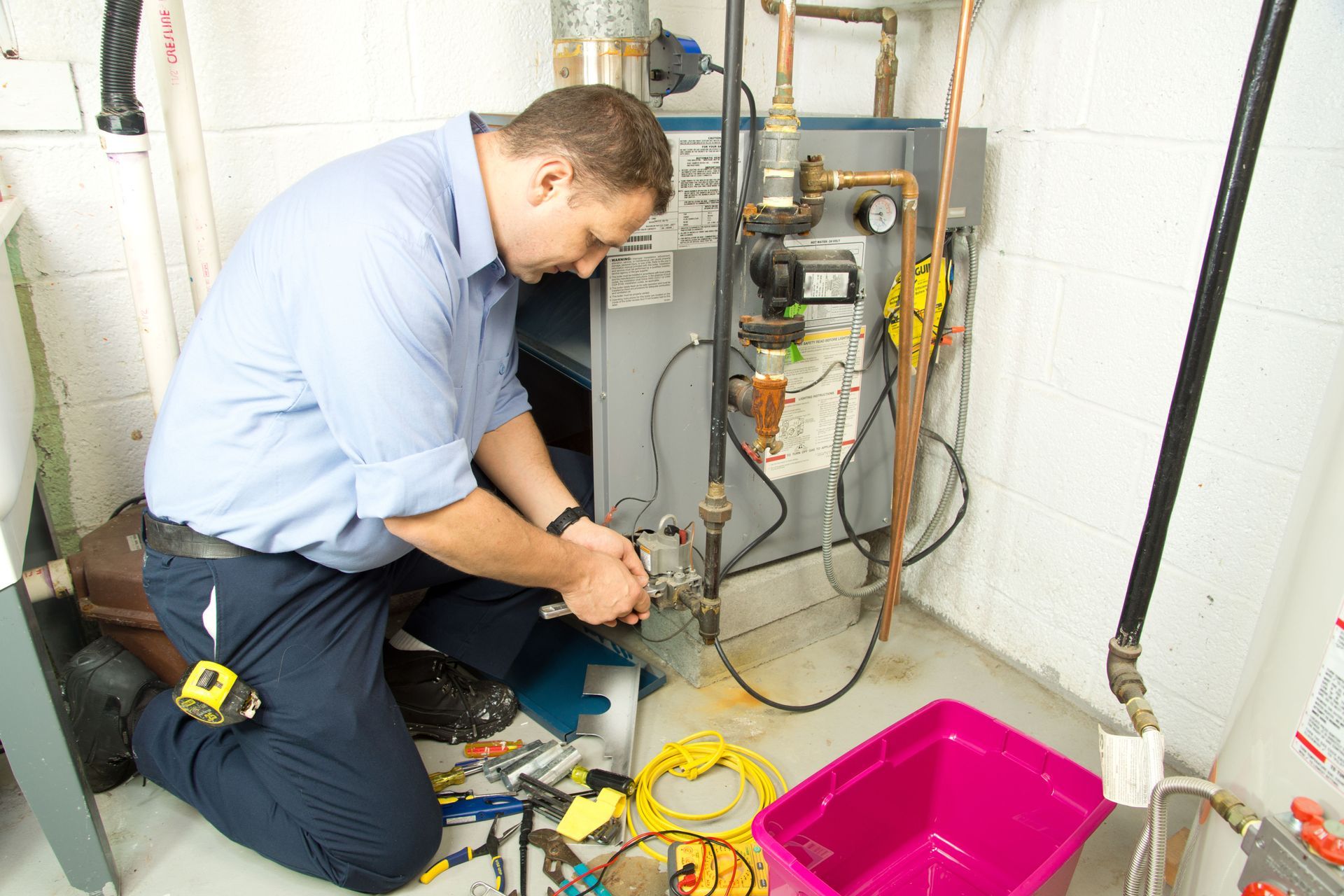
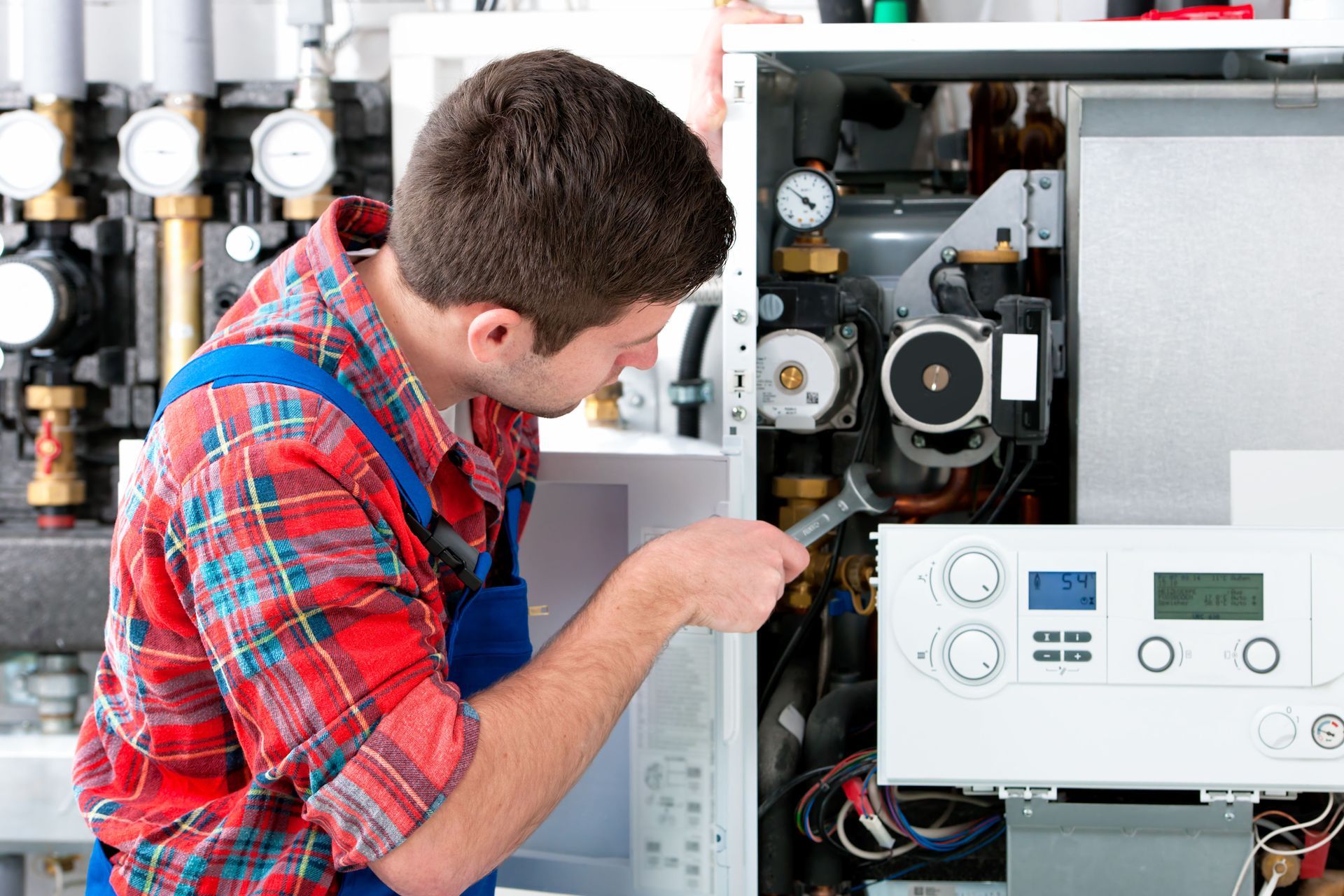
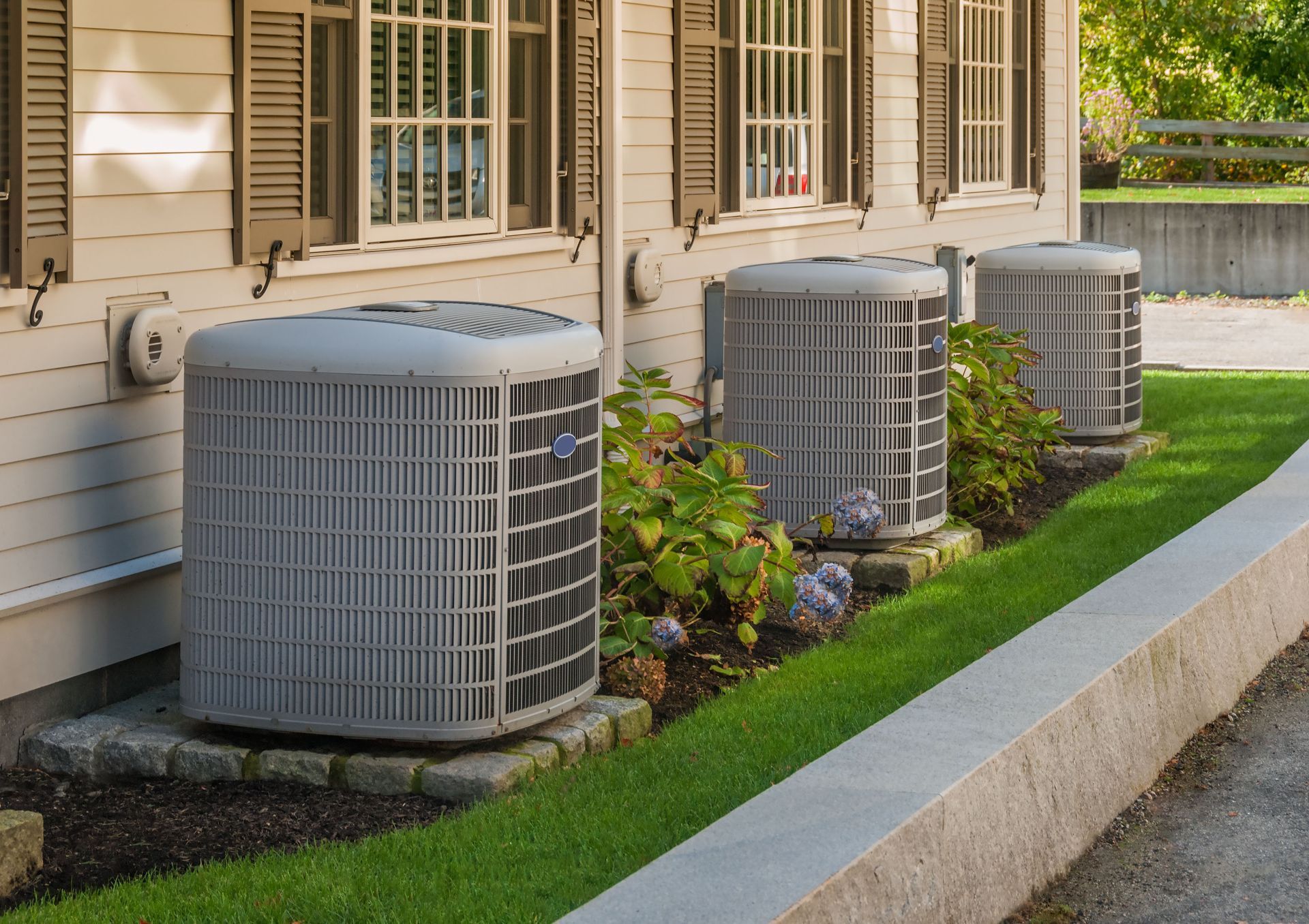
The components of HVAC systems play a crucial role in maintaining comfort within residential environments. These systems consist of heating units, ventilation ducts, and air conditioning units that work together to regulate indoor temperatures. Proper operation and maintenance of these components by reputable local HVAC companies are essential to ensure efficiency and effectiveness throughout the year. As technology advances, there has been a shift towards systems that incorporate smart thermostats and zoning capabilities for enhanced control. Homeowners are increasingly interested in systems that provide both comfort and energy efficiency, driving innovation in HVAC technology.
3.2 Importance of Air Quality
The impact of HVAC systems on indoor air quality is significant, as these systems filter and circulate air throughout homes. Clean and well-maintained systems improve air quality by reducing allergens, dust, and pollutants, contributing to better health and well-being. Regular filter replacements and duct cleaning offered by local HVAC companies are important maintenance tasks that prevent the buildup of harmful substances. According to Workyard, nearly 90% of households in the United States use air conditioning, making it vital for these systems to efficiently manage air quality. Effective HVAC operation is crucial for maintaining a healthy indoor environment, especially for individuals with respiratory conditions.
3.3 Energy Efficiency in HVAC
Energy efficiency is a growing concern among homeowners seeking to reduce utility costs and environmental impact. Modern HVAC systems utilize energy-saving technologies, such as variable-speed blowers and heat pumps, to optimize performance while minimizing energy consumption. Implementing energy-efficient practices, like scheduling regular tune-ups with local HVAC companies and maintaining proper insulation, can further enhance system efficiency and longevity. As climate change influences weather patterns, energy-efficient HVAC systems contribute to minimizing the carbon footprint of residential buildings. Understanding and investing in these solutions are critical steps towards achieving sustainable and cost-effective home comfort.
Understanding the essential infrastructure that powers, protects, and conditions our living spaces is the first step toward building a safer, more sustainable home. From robust plumbing networks and secure data connections to efficient climate control provided by dependable local HVAC companies, these interconnected systems form the invisible foundation of daily life. By staying proactive with routine maintenance, embracing smart technologies, and relying on qualified local HVAC companies when issues arise, homeowners can significantly extend the lifespan of their property's vital systems. Ultimately, taking a thoughtful approach to home infrastructure ensures long-term comfort, safety, and energy efficiency for years to come. Call G-M Mechanical of Canton, Inc today and see why we're one of the top local HVAC companies around.